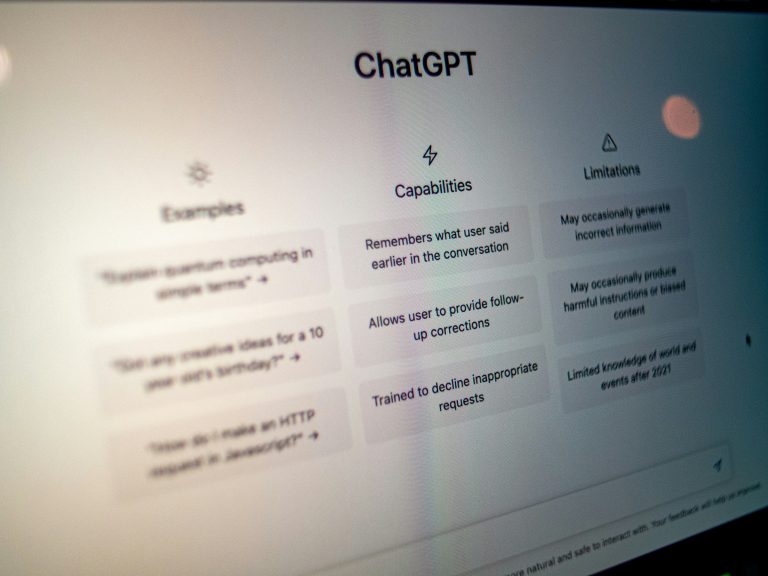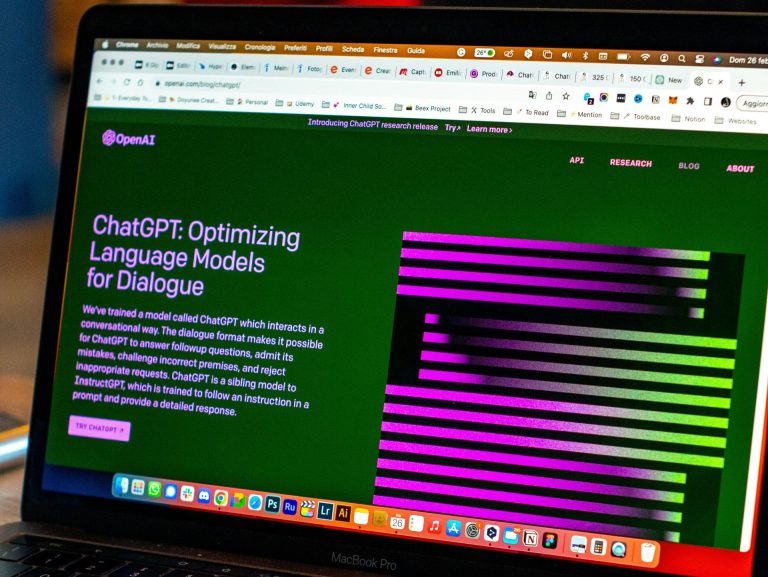






About half of U.S. adults use AI chatbots, and some voters now use them to research the midterms. Here is what NPR found and a few smart tips for using AI wisely.
Voting can feel confusing. There are lots of names on the ballot, and not every race gets much news. So some people are turning to AI chatbots like ChatGPT for help. A new NPR story shared by OPB looks at this trend ahead of the 2026 midterm elections.
How Many People Use Chatbots?
NPR says about half of American adults use AI chatbots. About 42% of those users say they use them to look up information, according to the Pew Research Center. In a September survey, about one in five voters said they ask chatbots about election news and voting, and Democrats and Republicans used them at similar rates, WUNC reports.
What Do Voters Use Them For?
Voters told NPR they use chatbots to learn about races that get less news coverage. They also make charts to compare candidates and check if viral claims are true.
What Are the Worries?
One voter told NPR that “ChatGPT is just kind of a people pleaser.” That is a real concern. Chatbots can tell you what you want to hear. A Johns Hopkins fellow, Rafael Batista, warned that chatbots can strengthen the views people already have. A study by the States United Democracy Center also found AI tools gave incomplete and inconsistent answers to common voter questions, according to an AI Weekly summary of the NPR story.
OpenAI told NPR it works to keep ChatGPT’s answers politically neutral.
Tips for Using AI Wisely
- Ask questions without telling the chatbot who you like. Batista suggested hiding your personal preferences in your prompts.
- Consider using incognito mode so the chatbot knows less about you.
- Double-check important facts, like voting dates and rules, with your state or local election office.
Why Does It Matter?
AI is becoming a regular part of how people learn about the world. Using it well means treating it like a helpful starting point, not the final word. For AI and elections, the smartest move is to check more than one trusted source before you decide.
This content is provided by AIxAverage.com for general educational and informational purposes and does not constitute any substantive advice. It was developed with support from AI and reviewed by our editorial team for accuracy. Even so, AI-assisted material can contain errors, omissions, or information that is no longer current. We always encourage our readers to confirm any important details with trusted, independent sources.