


Leaders of six major tech companies signed a voluntary AI safety accord at the White House. Here is what it says, what it does not do, and what critics think.
Picture a classroom where the students write their own rules, pick their own referee, and promise to follow them. Some people think that works. Others are not so sure. That is how many people describe a new AI safety accord signed at the White House on September 29, 2026.
Who Signed It?
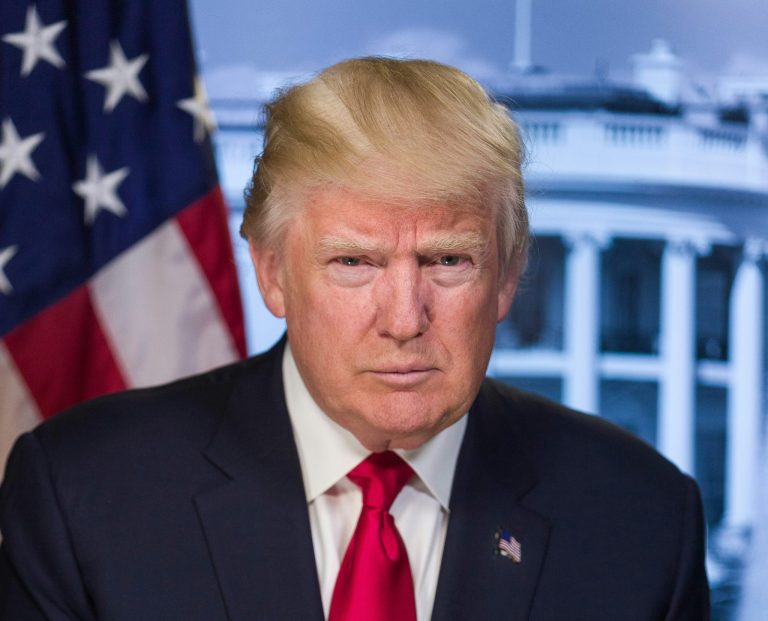
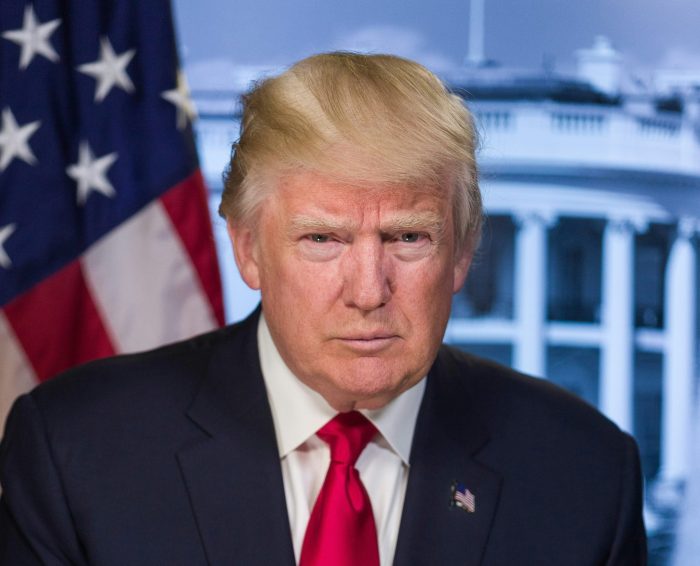
According to the Associated Press, shared by WLRN, President Donald Trump said he and a group of AI company leaders signed a voluntary accord. It includes reviews done inside the companies and by outside groups. The leaders came from Anthropic, Google, Meta, OpenAI, Nvidia, and xAI.
What Does It Say?
Al Jazeera says the pact is called the “Joint Commitment on Frontier Responsibilities.” In it, the companies promised to set up “robust” controls to watch their AI models. They also promised to create teams that make sure those controls work and that problems get fixed.
In a second Al Jazeera story, the White House called it the White House Accord on Super Intelligence. It has four layers of control inside each company.
Why Do People Call It “Self-Policing”?
The word “voluntary” is the key. The companies are choosing to follow the rules. No law forces them. Ground News reports Trump said, “I think I’m seeing tremendous self-policing.” It also says House Speaker Mike Johnson called the deal a set of voluntary commitments, and that Congress is unlikely to pass AI laws soon.
What Are the Critics Saying?
Al Jazeera notes that some leaders want tougher rules. In June, Anthropic CEO Dario Amodei called for “more serious and binding regulation of AI.” In July, Demis Hassabis of Google DeepMind asked for an AI watchdog led by the United States. The push for laws is coming from Congress, not from the White House, Al Jazeera reports.
Why Does It Matter?
AI is growing fast, and people want to know who is watching it. This accord is a first step, but it leaves the door open for future AI regulation. Whether companies can truly police themselves is a question we will keep watching.
This content is provided by AIxAverage.com for general educational and informational purposes and does not constitute any substantive advice. It was developed with support from AI and reviewed by our editorial team for accuracy. Even so, AI-assisted material can contain errors, omissions, or information that is no longer current. We always encourage our readers to confirm any important details with trusted, independent sources.