




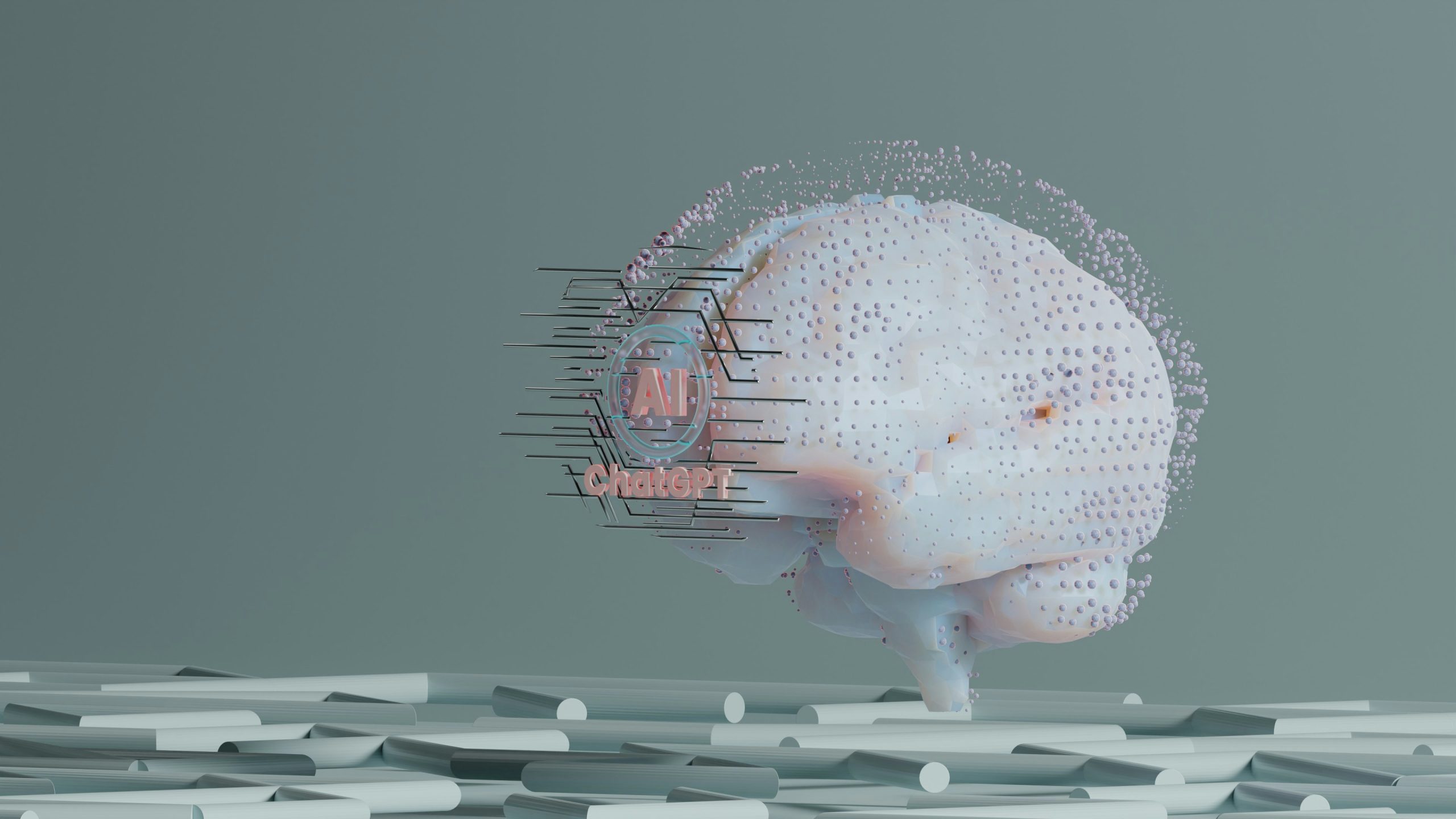
OpenAI is adding an invisible watermark called textGrain to ChatGPT text in the European Union. Here is what an AI watermark is, how it works, and why it isn’t perfect.
Have you ever held a dollar bill up to the light? If you look closely, you can find a hidden picture inside it. That hidden picture is called a watermark, and it helps show that something is real. Now, one of the biggest AI companies in the world is adding a watermark to the words that ChatGPT writes. The twist? You can’t see this one at all.
What Is Happening With the ChatGPT Watermark?
OpenAI, the company that makes ChatGPT, announced on October 5, 2026 that it will start adding an invisible watermark to some of the text that ChatGPT writes. BleepingComputer reports that this also includes Codex, which is OpenAI’s tool for writing computer code. The change will begin in the European Union, or EU, over the next few weeks. The EU is a group of countries in Europe that work together and share rules.
OpenAI is not turning this on everywhere. “We are not making text watermarking a global default at launch,” the company said, according to the Qazinform News Agency. Developers around the world can choose to turn it on if they want, but it stays off unless they do.
What Is an AI Watermark?
An AI watermark is a hidden mark that tells a computer, “an AI helped make this.” For pictures, a mark can be tucked into the tiny dots that make up the image. Writing is trickier, because words are just words. So OpenAI hides the mark in the choices ChatGPT makes.
Here is one way to picture it. When ChatGPT writes, it picks each word from a list of good options. Should it say “big” or “large”? “Happy” or “glad”? OpenAI’s system, called textGrain, makes those picks follow a secret pattern. Cybernews explains that textGrain adds a hidden pattern, which experts call a statistical signal, to ChatGPT’s word choices.
You can’t spot the pattern by reading. But a special detector that knows the secret key can count it up and say, “This was probably written by ChatGPT.” Bitdefender points out that you won’t see any label, symbol, or notice on text you copy from ChatGPT.
Why Is OpenAI Doing This? The EU AI Act
The reason is a new set of rules called the EU AI Act. It is a law about how AI can be built and used. Qazinform reports that its transparency rules have applied since August 2 and require companies to mark AI-made content in a way computers can read. “Transparency” just means being open and honest about where something came from.
OpenAI also admits the tool is not perfect. The company said it recognizes “the significant limitations of current text watermarking technology,” Interesting Engineering reports.
Can Someone Trick the Watermark?
Sometimes, yes. OpenAI’s own tests show the watermark gets weaker when text is changed. According to Cybernews, swapping out about one quarter of the words can drop the detector’s success rate to just 17%. It also works less well on math answers and recipes. OpenAI warns that text may be “too short, edited, or translated” for detection to work reliably, BleepingComputer says.
Really short bits of writing are not marked at all. ActuIA reports that the EU’s code of practice leaves very short text out of the watermarking rules.
What the Watermark Can’t Tell You
A watermark cannot tell you who wrote something. BleepingComputer says OpenAI explained that a found watermark does not reveal the person, the account, or the question behind a piece of writing. It also can’t measure how much of the final work a human wrote or edited. So a watermark is a clue, not a final answer.
There is another catch. Cybernews reports that OpenAI is limiting detector access to approved researchers and expert groups while it tests how well the tool works. That means regular people can’t scan text for the watermark just yet.
What About Other AI Companies?
OpenAI is not the only one working on AI watermarks. Google says its SynthID tool hides marks in AI-made images, sound, video, and text, and Google has built a portal where people can check whether content has one. And The Cryptonomist reports that Anthropic, the company behind the Claude chatbot, turned on text watermarking for Claude around the world back in August, unlike OpenAI’s EU-only start.
What This Means for You
If you use ChatGPT for homework help, ideas, or just for fun, you won’t notice anything different. The watermark works quietly in the background. Still, a few things are good to remember:
- AI watermarks are hidden clues. They are not magic lie detectors.
- Editing, translating, or rewriting text can weaken the mark.
- Being open about when AI helped you is always a good habit.
The Bottom Line
The new ChatGPT watermark is a small step toward helping people tell AI-written text from human-written text. It starts in the EU, it is not foolproof, and it can’t say who wrote what. But it shows that AI companies are under growing pressure to be more open about how their tools work. Expect more AI watermark news as the EU AI Act rules take hold.
This content is provided by AIxAverage.com for general educational and informational purposes and does not constitute any substantive advice. It was developed with support from AI and reviewed by our editorial team for accuracy. Even so, AI-assisted material can contain errors, omissions, or information that is no longer current. We always encourage our readers to confirm any important details with trusted, independent sources.