




SpaceX says it has lined up $40 billion in borrowed money to buy AI chips. Here is what that means, plus Meta’s plan to raise $95 billion.
SpaceX Says It Borrowed $40 Billion for AI Chips: What’s Going On?
AI needs a lot of computer power, and computer power costs a lot of money. This week, SpaceX said it lined up a giant $40 billion to pay for it.
What Is the Deal?
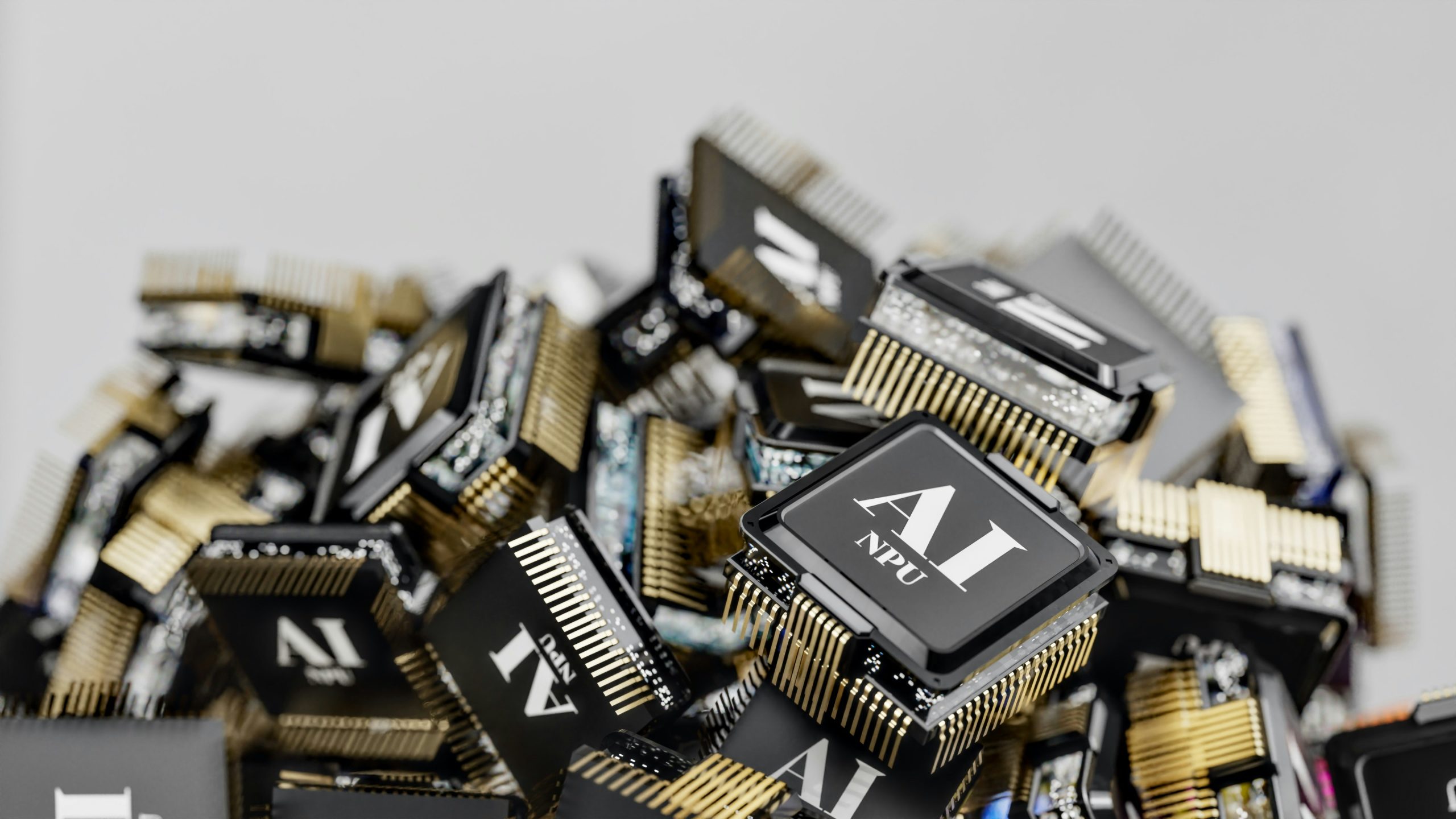
CNBC reports that Elon Musk said in a post on X that SpaceX closed $40 billion in debt financing to buy GPUs. A GPU is a special computer chip that AI systems use to learn and answer questions. Debt just means borrowed money, like a loan, only much bigger. CNBC says Musk added that most of it can be paid back early, and that the chips are due in the first half of 2027. In a filing on Monday, SpaceX said it signed a binding commitment with an entity managed by Apollo for roughly $40 billion in GPU financing.
Is It Really Final?
Maybe not completely. Bloomberg reported that people familiar with the talks said discussions about pricing were still going. Quartz, citing Reuters, says it was unclear how Musk was using the word “closed.”
What Is a “Neocloud”?
Quartz explains that neoclouds, like Nebius and CoreWeave, are companies that rent out computing power built for AI. Musk said borrowing has become hard for AI companies without other income. He wrote that more than 200 neoclouds will see “guppy-level death and consolidation,” per Bloomberg. In plain English, he thinks many will fail or be bought by bigger companies. That is one person’s prediction, not a fact.
Meta Wants Money Too
SpaceX is not alone. In another CNBC report, Meta said on Monday that it plans to raise $95 billion to support its AI investments.
Why Does It Matter?
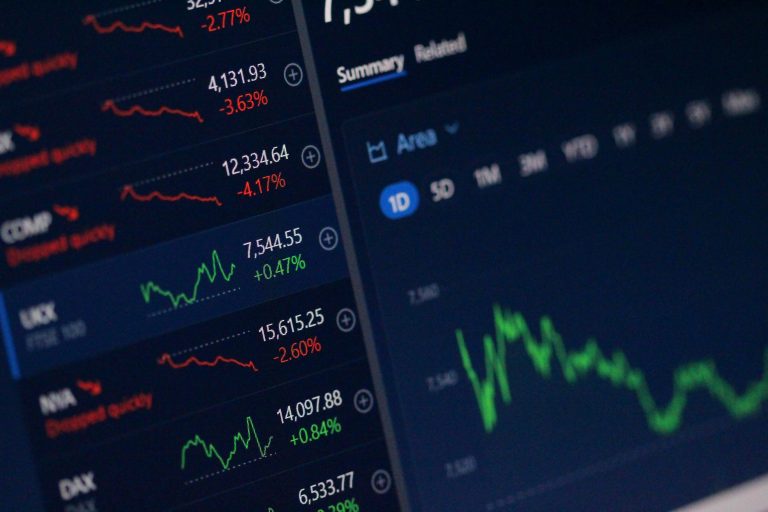
CNBC says the deal shows how enormous the money needs of the AI boom are. Building AI means buying chips and data centers, and the biggest companies are borrowing tens of billions to keep up. Whether all that spending pays off is still an open question.
This content is provided by AIxAverage.com for general educational and informational purposes and does not constitute any substantive advice. It was developed with support from AI and reviewed by our editorial team for accuracy. Even so, AI-assisted material can contain errors, omissions, or information that is no longer current. We always encourage our readers to confirm any important details with trusted, independent sources.